Dallas and the DFW Metroplex
Commercial Roofing Contractors in Dallas, TX
The roof is the most expensive thing on your building. Treat it like an asset. We survey low-slope and metal roofs, write down what is actually happening up there, and price the work the roof needs.
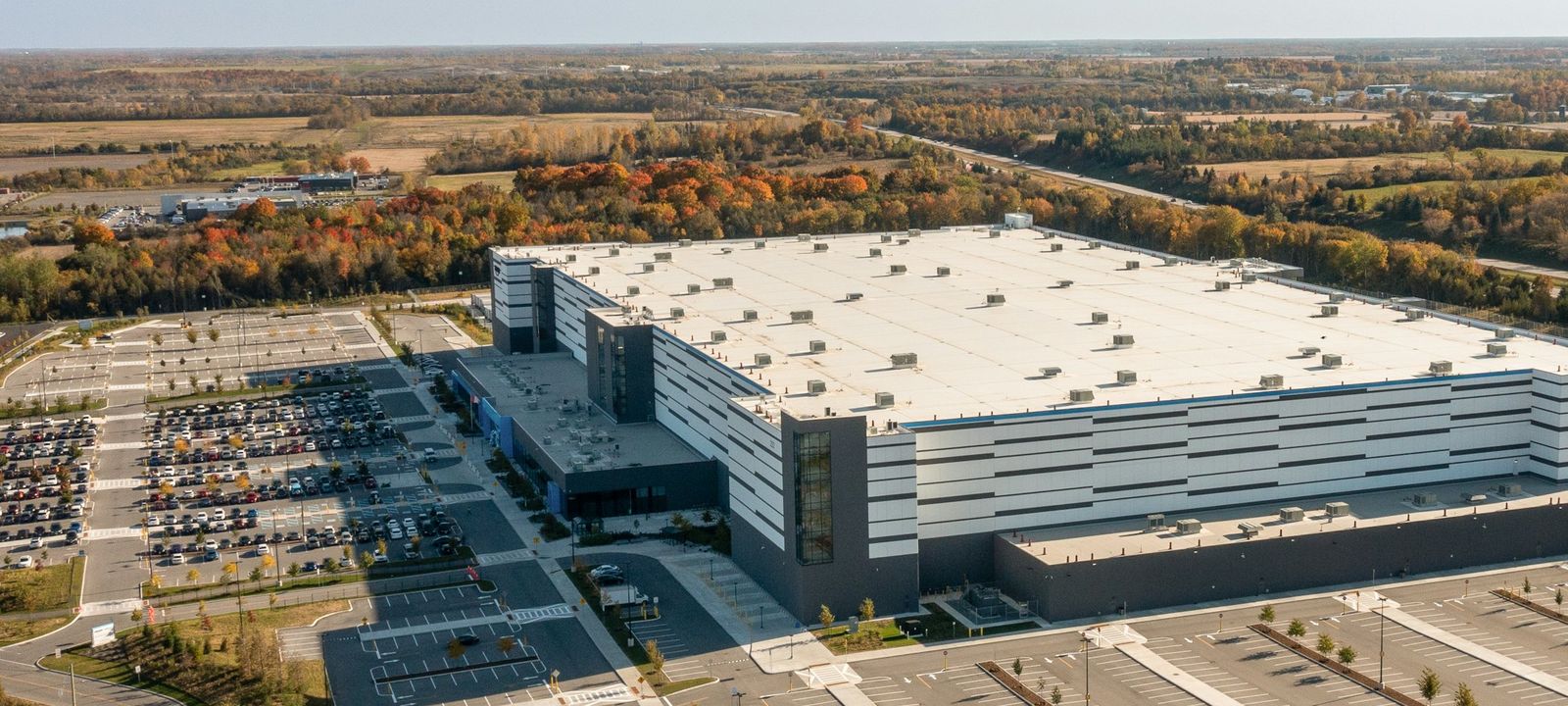
A roof field this size drains through a handful of points. Where those points sit decides how long the membrane over them lasts.
Start with what the roof is doing today
Tell us the building, the system if you happen to know it, and what you are seeing. Then we come look. If the honest answer is that your roof has six good years left, that is the answer you get.
What we work on
Commercial only. No shingles, no houses.
Low-slope roofs fail differently than steep-slope roofs. Water sits instead of running off, so the things that decide service life are drainage, seam integrity, and how the roof is terminated at every penetration and edge.
-
Warehouse and distribution
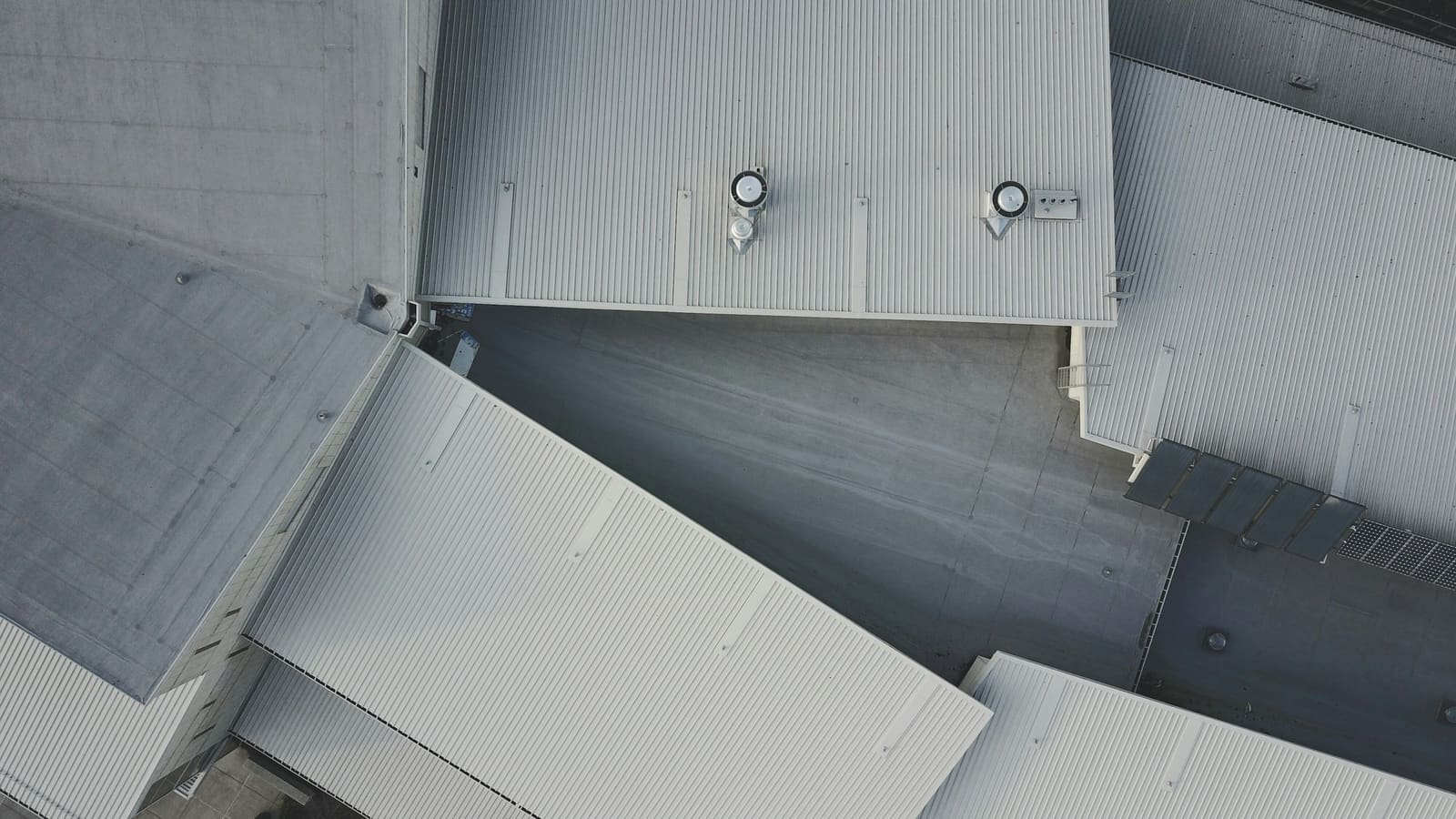
Wide open fields, long seam runs, and unguarded skylights. Failures here usually start at drain sumps and at laps that were rolled but never fully welded.
-
Office and medical
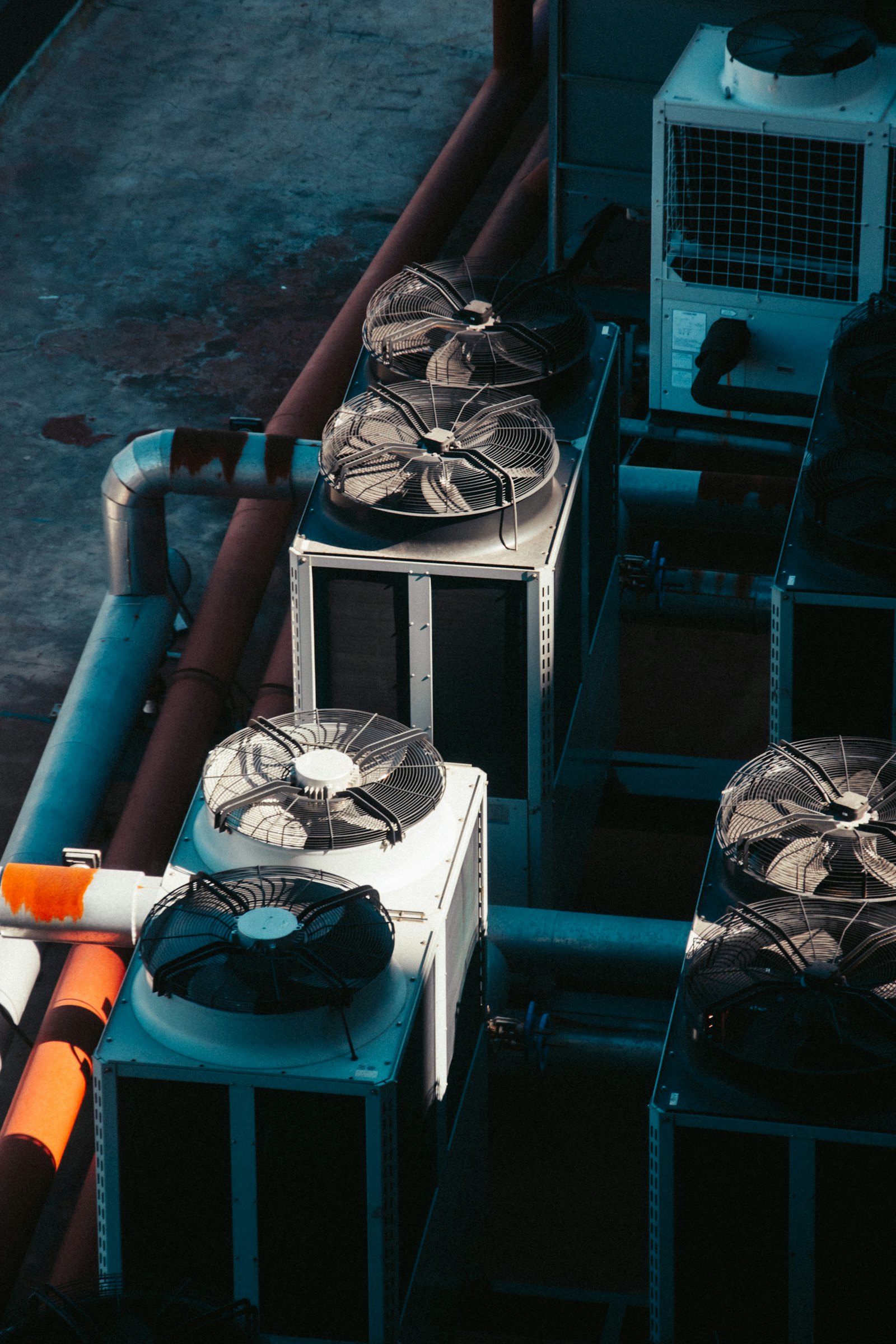
Dense rooftop mechanical. Most water in these buildings enters at curb flashing, at condensate lines, or under gas line supports set straight on the membrane.
-
Retail and mixed-use
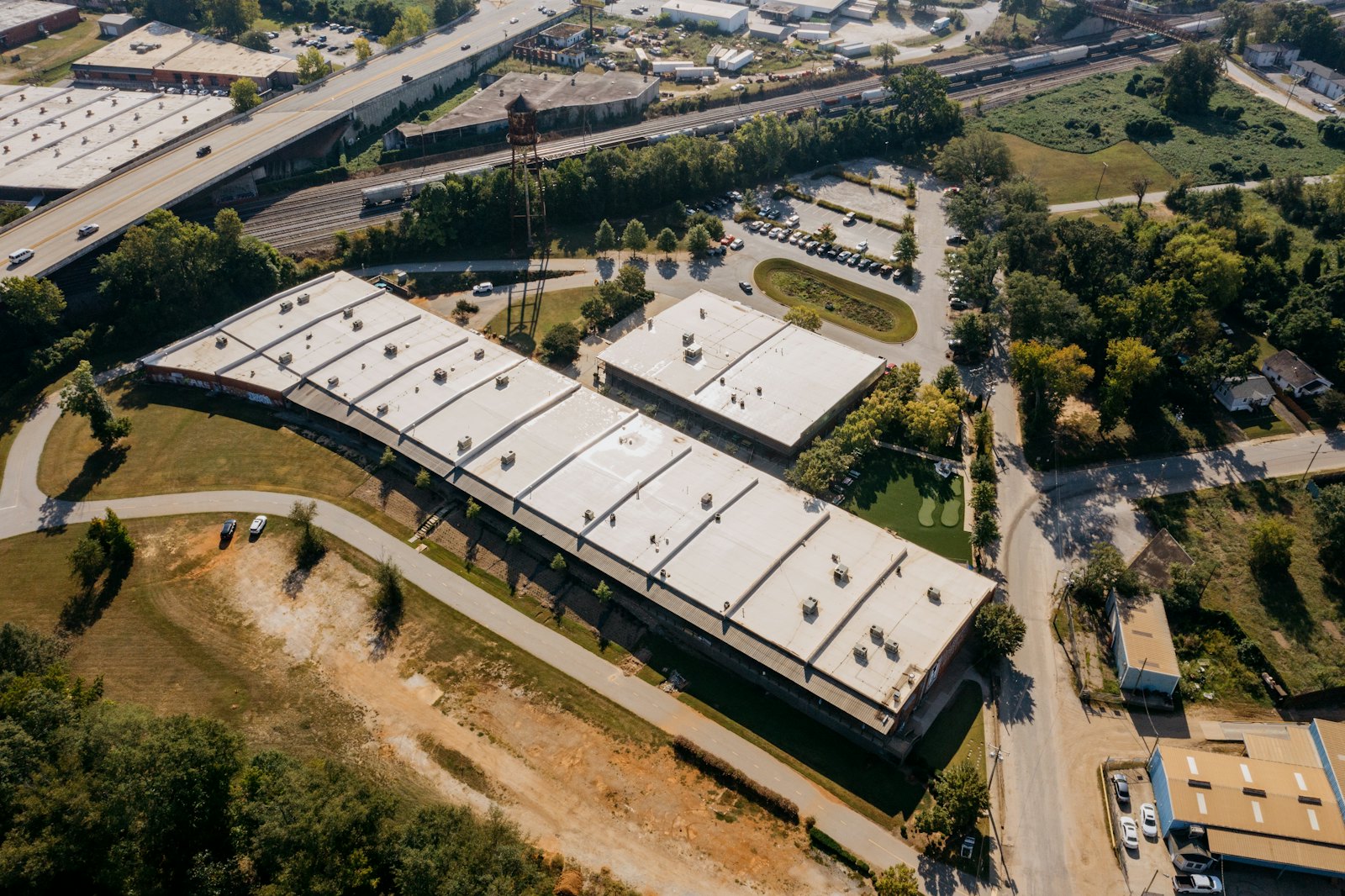
Several tenants under one roof, so one leak arrives as four phone calls. Demising wall transitions and parapet terminations are where we look first.
-
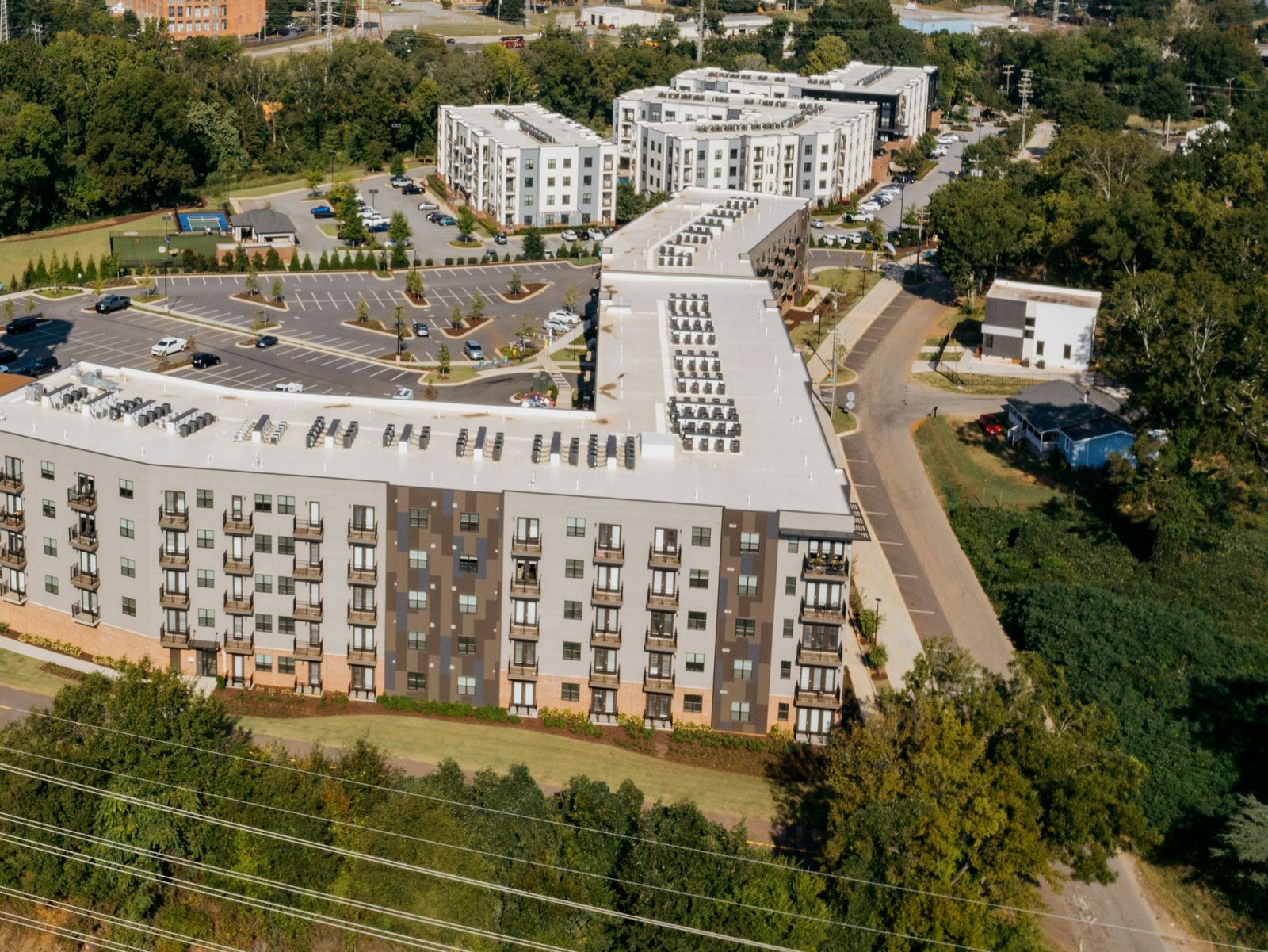
Multifamily and HOA
Occupied units underneath and a board that needs a paper trail. Work is staged so no section sits open, and every area is dried in before the crew comes off the roof.
Systems
The roof systems we install and service
There is no best roof system. There is the right system for the deck you have, the rooftop traffic, the budget, and how long you plan to hold the building. The ranges below are what these assemblies actually reach in North Texas, not what a brochure claims.
Hail, UV load and thermal cycling through a hundred-degree summer swing age a membrane faster here than the same assembly ages in a milder climate, so real numbers land toward the bottom of each range. Drainage is the single biggest variable. A roof that still holds water two days after a rain will not reach the top of any service-life range on this table, no matter what is installed on it.
| System | What it is | Service life |
|---|---|---|
| TPO and PVC single-ply | Heat-welded thermoplastic sheet over insulation, usually reflective white. The seams are welded rather than glued, which means seam quality can be probed and verified. | 15 to 25 years |
| Modified bitumen | Asphalt sheet reinforced with polyester or fiberglass, set in two plies by torch, hot mop or self-adhesive. Takes rooftop foot traffic better than most membranes. | 15 to 20 years |
| Built-up roofing (BUR) | Multiple plies of felt in hot asphalt under gravel or a cap sheet. Heavy and redundant, so it tends to leak slowly and locally instead of failing all at once. | 20 to 30 years |
| Standing-seam metal | Structural panels with the seam raised above the water line. The panels move with temperature, so clips, fasteners and end laps decide how long it lasts. | 30 to 40 years |
| Coatings and restoration | Silicone or acrylic applied over a roof that is still sound. It buys years on a roof with dry insulation. It does nothing for a roof with wet insulation under it. | 10 to 15 years |
How a job runs
Survey first, scope in writing, then price
A price given before anyone has been on the roof is a guess dressed up as a number. The order below exists so that what you are buying is written down before you are asked to pay for it.
- Step 1
Roof survey
We walk the whole field, not the corner nearest the ladder. Cores come out so we can see what is stacked up there and whether the insulation is holding water. Drains, curbs, seams, flashings and edge metal are checked and photographed.
- Step 2
Scope in writing
You get a line-item scope that names the assembly, gives quantities, and states what is excluded. Not a single number on a page. When two contractors price different work, you should be able to see exactly where they part ways.
- Step 3
Sequenced install
The schedule is built around dock traffic, tenant hours and the weather window. We open only what can be closed the same day, and the roof is dried in every night before anyone leaves the site.
- Step 4
Closeout
You end up holding an as-built roof plan, the manufacturer documentation that comes with the system that went down, and a maintenance schedule with the inspection intervals that keep that paperwork in force.
Services
What we do
-
Commercial roof repair
Leak tracing that starts at the entry point on the roof, not at the ceiling stain below it. Seam repairs, flashing rebuilds, curb and penetration detail, and wet insulation cut out and replaced.
-
Roof replacement
Tear-off or recover, decided by core samples and deck condition rather than by preference. New insulation to the R-value the building needs, and drainage corrected before any new membrane goes down.
-
Emergency leak repair
Water is coming in right now. We stop it, protect what sits underneath, and document the failure so the permanent repair gets scoped off evidence instead of a guess.
-
Maintenance programs
Scheduled inspections, drains and scuppers cleared, seams and terminations checked, and small failures closed while they are still small. Every visit is photographed and logged.
-
Storm and hail damage
North Texas hail bruises a membrane long before it punctures it. We map impact density across the field, test-cut where the surface reads as damaged, and put the findings in writing.
Next step
Get eyes on the roof
Call and describe the building, or send the assessment request and we will come out and look. Either way you get a written condition report and a straight answer about whether this roof needs repair, maintenance, or replacement.
Serving Dallas, Irving, Garland, Plano, Richardson, Mesquite, Carrollton, Grand Prairie and Arlington.