Triage and temporary dry-in
Emergency Roof Leak Repair in Dallas, TX
An active leak is a containment problem before it is a roofing problem. Stop the entry, protect what is under it, and scope the real repair once the weather allows real work.
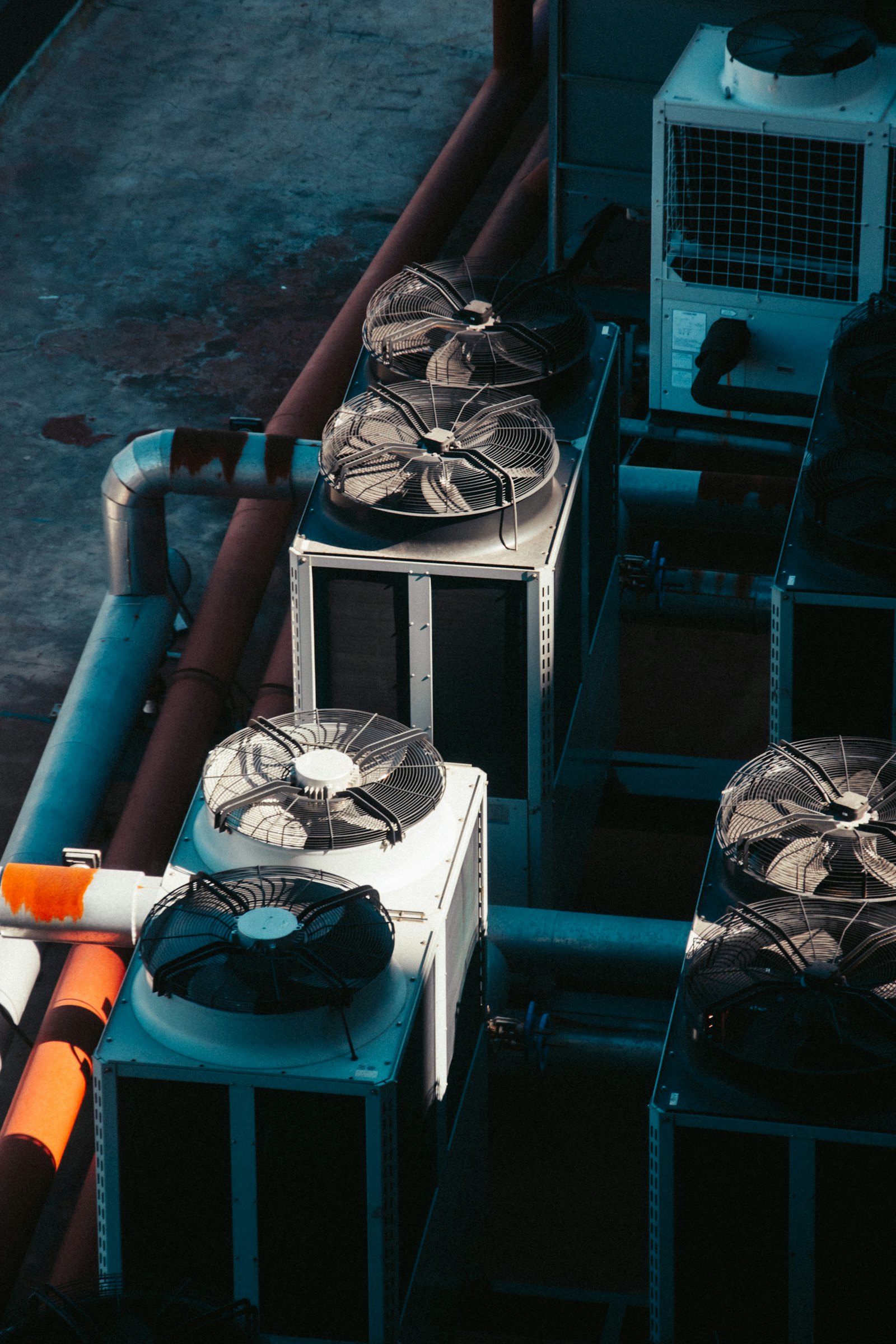
Curbs and penetrations. Most emergency calls trace back to one of these.
The first hour is about water, not roofing
When a crew arrives during an active event, membrane work is not the first move. The first move is limiting what the water reaches. That means getting containment under the drip, moving product and equipment out of the path, checking whether water is tracking toward electrical panels or a server room, and telling you what is at risk so you can make the calls only you can make.
A roof under a downpour is also a safety question. Wet single-ply is genuinely slick, and lightning within range stops rooftop work entirely. Those conditions do not change the interior work, which is the part that limits your loss anyway.
Clogged drains change everything and are worth checking early. A blocked drain turns a minor defect into a pond, and the deeper the water sits the more terminations it can get behind. Clearing a strainer packed with cottonwood seed sometimes ends the emergency without touching the membrane.
A dry-in is a technique, not a tarp
Temporary work done properly is a sealed system meant to hold through the event and the days after it. Standing water gets pumped or squeegeed off the area first, because nothing bonds through a puddle. The surface is dried and cleaned so the temporary material actually adheres rather than floating on grit.
Then the failure gets covered with material compatible with what is up there: a welded or self-adhered patch on single-ply, a torch or peel-and-stick ply on modified bitumen, appropriate mastic and reinforcing fabric on built-up. Edges get sealed, and on anything large the perimeter gets mechanically held with a term bar or plates so wind cannot get a corner.
Sheeting has one legitimate use, which is covering exposed deck where the membrane is gone entirely. Loose plastic weighted with brick and buckets is not a dry-in. It fills with water, tears at the weights, and channels water to a new location, which is how a one-room leak becomes a four-room leak overnight.
Why the permanent repair is scoped separately
The materials and methods that make a repair last need conditions the storm is not providing. Hot-air welding needs a dry, clean membrane surface. Adhesives have minimum application temperatures. Torch work near saturated insulation is not something to rush. A permanent detail installed in the wrong conditions is a temporary repair with a permanent invoice.
There is also the insulation. Water that got in has spread laterally through the board, and that area needs to be cored, mapped, cut out and replaced. None of that can be assessed accurately while it is still raining and none of it can be done through standing water.
So the emergency visit ends with the water stopped and a written record of what we found: photographs of the failure, the extent of the interior involvement, and the location marked on a plan. The permanent scope comes off that evidence in daylight, priced as its own line of work so you can see what the emergency cost and what the repair costs.
What helps most when you call
Where the water is showing inside, and roughly what is above that spot on the roof. A tenant suite number and a nearby rooftop unit narrow the search enormously.
The building type and the roof system if you happen to know it, though not knowing is completely normal and does not slow anything down. More useful is whether the roof has ponded before, whether anyone has been on it recently, and whether any rooftop work was done in the last few months. Recent equipment installs are a frequent culprit because whoever set the unit rarely flashes it.
Roof access details matter more than people expect. An interior hatch, a fixed ladder, a locked cage, a gate code, or a building where access requires a tenant escort all affect how fast a crew gets to the actual problem. Having that ready is worth real time on a night when time is the thing you are short of.
Interior first
Containment placed, product and equipment moved clear, and any path toward electrical or IT space identified before roof work starts.
Clear the drains
A packed strainer or a blocked sump raises the water line above terminations that were never meant to be submerged.
Pump before patching
Ponded water gets removed and the area dried, because no temporary material bonds to a wet, dirty surface.
Compatible materials
Single-ply gets single-ply, modified gets modified, built-up gets mastic and fabric. Mixing chemistries buys a week at most.
Held at the edges
Temporary coverings get mechanically terminated so a spring gust cannot lift a corner and take the whole thing.
Documented while wet
Photographs during the event show what a dry roof later hides, which matters for both the permanent scope and any claim you file.
Common questions
What should we do before a crew gets there?
Get containment under the active drip and keep it emptied, move inventory and equipment out of the path, and photograph everything as it happens. If water is anywhere near a panel, a transformer, or IT equipment, treat that as the priority and get the affected circuit shut down by qualified personnel. Do not send maintenance staff onto a wet roof during a storm.
Will a temporary repair hold until the permanent fix?
A properly executed dry-in is meant to carry through the event and the following weeks, which is normally enough time to get a permanent scope priced and scheduled. It is not a permanent detail and it is not a substitute for replacing the wet insulation underneath. We tell you plainly what the temporary work is expected to do and for how long.
Can you work on a roof while it is raining?
Some work, yes. Clearing drains, pumping standing water, placing compatible temporary material and mechanically terminating it are all things that can be done in wet conditions. Welding, adhering, torching and insulation replacement are not. Lightning in the area stops all rooftop work until it passes, with no exceptions.
Does an active leak mean the roof needs to be replaced?
Not by itself. A single failed detail on a sound assembly is a repair. What determines the answer is how much insulation is wet and how widespread the underlying deterioration is, and that comes from cores taken after the roof dries out. A leak is evidence of one failure, not a verdict on the whole roof.
How do you handle a leak in an occupied building?
Interior work gets coordinated with your staff or tenant contact so containment is placed without disrupting more space than necessary, and anything set in a walking path gets marked. On the roof side we work above unoccupied areas first where the sequence allows it. Everything that gets moved indoors gets noted so nothing goes missing in the confusion.